
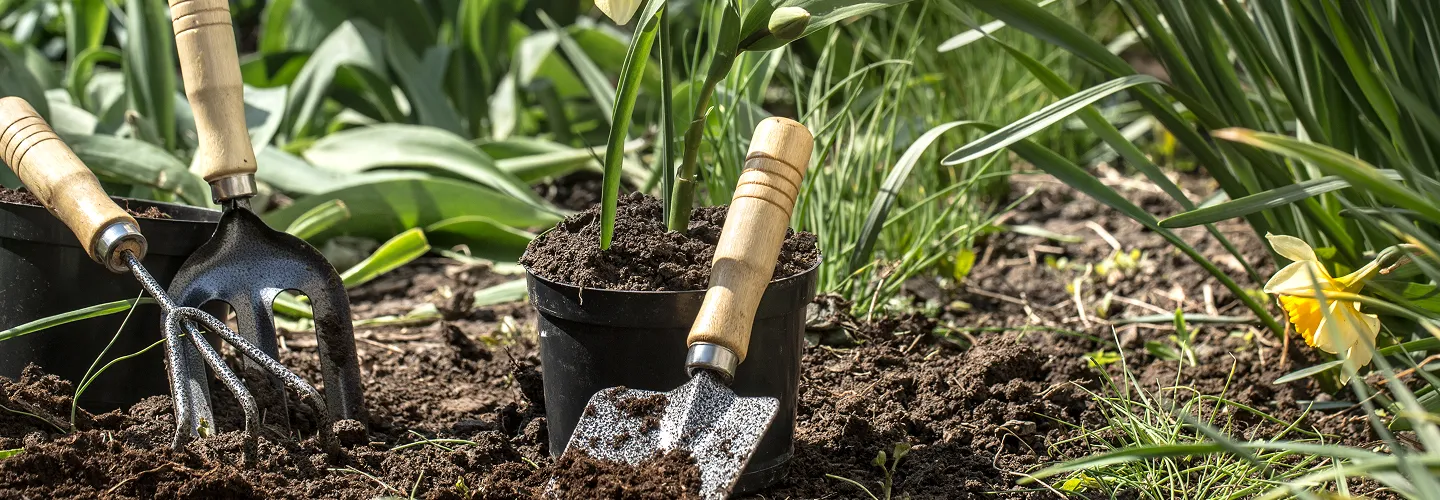
Hampton Green Waste Disposal Services
Choose our Green Waste Disposal for reliable, environmentally responsible service that keeps your property clean and supports a healthier community—experience hassle-free pickups and sustainable waste management you can trust.
Get a Free QuoteOur Hampton Landscaping & Yard Care Services
When to Schedule Green Waste Disposal in Hampton, Georgia – Seasonal Guide
In Hampton, Georgia, the best times for green waste disposal are closely tied to our unique climate and landscape. With warm, humid summers and mild winters, most homeowners find that late winter through early spring—just after the last frost date—offers an ideal window for clearing out yard debris. This timing helps prepare your property for new growth and reduces the risk of pests and disease as temperatures rise. Neighborhoods near Crystal Lake Golf & Country Club or along Woolsey Road often experience dense shade and leaf accumulation, making seasonal cleanups especially important.
Local environmental factors such as clay-heavy soils, periodic drought risk, and the prevalence of mature oaks and pines in areas like Lovejoy and Panhandle Road can all impact the volume and timing of green waste. It's also important to consider municipal guidelines and disposal schedules, which you can find on the official town website. By aligning your disposal efforts with Hampton’s seasonal patterns and local regulations, you’ll keep your landscape healthy and compliant.
Benefits of Green Waste Disposal in Hampton
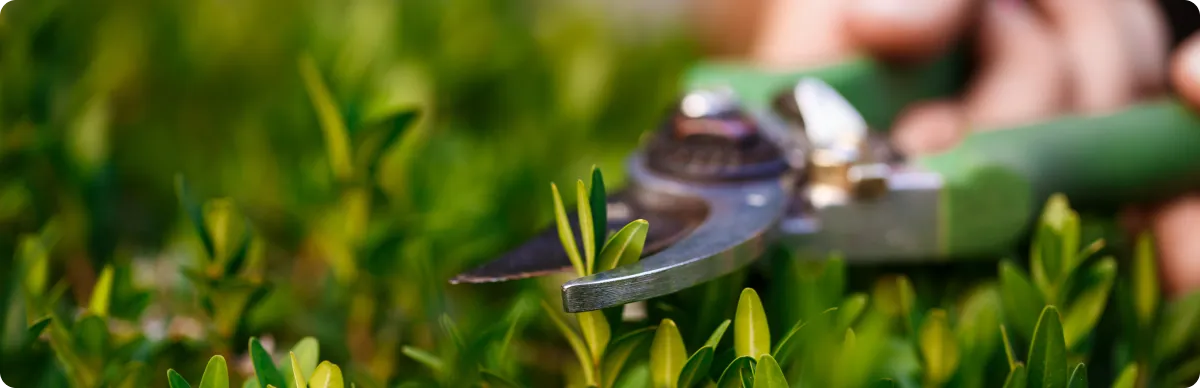
Eco-Friendly Landscaping Solutions
Efficient Green Waste Removal
Promotes Healthy Garden Growth
Reduces Landfill Waste
Cost-Effective Disposal Services
Supports Local Sustainability Efforts
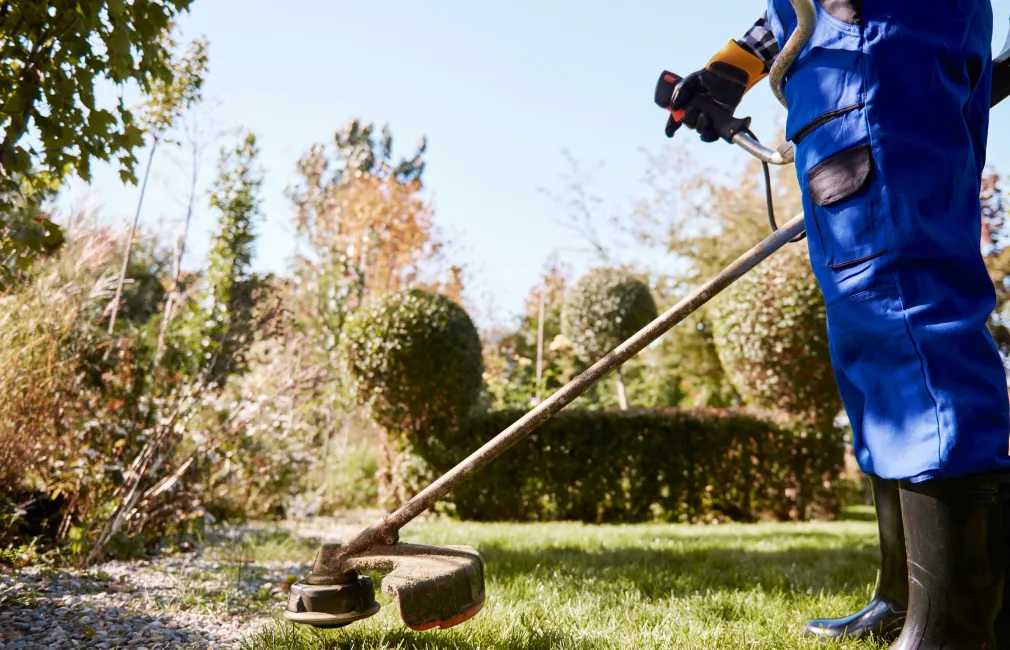
Hampton Green Waste Disposal Types

Grass Clippings
-
Tree Branches
-
Shrub Trimmings
-
Leaves Collection
-
Garden Weeds
-
Mulch Disposal
-
Hedge Cuttings
Our Green Waste Disposal Process
Collection of Green Waste
Sorting and Separation
Transport to Disposal Facility
Eco-Friendly Processing
Why Choose Hampton Landscape Services
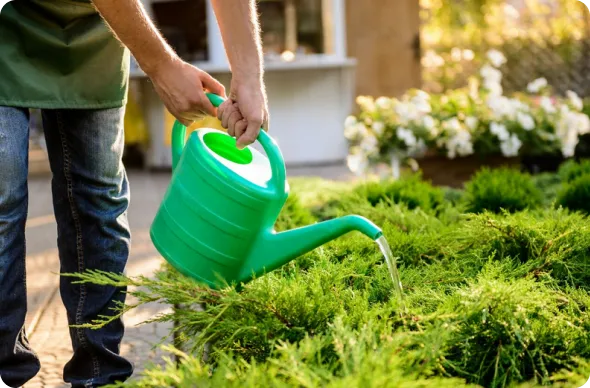
-
Hampton Homeowners Trust Us
-
Expert Lawn Maintenance
-
Reliable Seasonal Cleanup
-
Competitive Pricing
-
Professional Team
-
Satisfaction Guarantee
-
Personalized Service
Hampton Public Works Green Waste Collection Procedures and Curbside Requirements
Residents and property managers in Hampton, GA, must follow specific preparation and placement standards when setting out green waste for municipal collection. The Hampton Public Works Department oversees sanitation services, including yard debris pickup, and coordinates collection schedules for residential properties within city limits. Green waste accepted at curbside typically includes grass clippings, leaves, small branches, and garden trimmings. To ensure timely pickup, residents should:
- Place green waste at the curb no earlier than the evening before scheduled collection
- Bundle brush and branches in manageable lengths, generally no longer than 4 feet, and tie securely
- Bag loose leaf and clipping material in biodegradable or kraft paper bags where possible
- Keep green waste separate from household trash and recycling containers
- Avoid blocking storm drains, sidewalks, or roadway travel lanes with debris piles
Verify current collection days and any seasonal schedule changes directly with the department, as pickup frequency may vary by zone or time of year.
Hampton Public Works Department
19 East Main Street, Hampton, GA 30228
Phone: (770) 946-4306
Official Website: Hampton Public Works Department
Protecting Hampton's Stormwater Infrastructure During Green Waste Disposal
Improper green waste disposal poses a direct risk to Hampton's stormwater drainage network. Leaves, clippings, and organic debris swept or blown into storm inlets can obstruct flow, contribute to localized flooding, and degrade downstream water quality in local drainage corridors and detention features. The Hampton Stormwater Management program administers drainage maintenance and erosion control efforts throughout the city. Under the Clean Water Act and the EPA NPDES Program, municipalities are required to reduce pollutant loading from stormwater runoff, which includes organic debris. Practical steps to protect Hampton's stormwater infrastructure include:
- Never blow or rake clippings directly into street gutters or storm inlets
- Maintain a minimum 10-foot clearance between debris staging areas and any drainage inlet or ditch
- Collect and bag all loose organic material before rain events are forecast
- Avoid stockpiling green waste near low-lying areas, detention ponds, or drainage swales
The Georgia EPD Watershed Protection Branch provides additional guidance on protecting local water quality from nonpoint source pollution.
Hampton Stormwater Management
19 East Main Street, Hampton, GA 30228
Phone: (770) 946-4306
Official Website: Hampton Stormwater Management
Hampton's Piedmont Red Clay Soils and Seasonal Green Waste Volume Management
Hampton sits within Georgia's Piedmont region and falls within USDA Hardiness Zone 7b to 8a. The predominant soils in the area are Cecil and Appling series — dense, red clay-based Ultisols with limited natural drainage and high compaction potential. These soil conditions directly influence green waste volumes and disposal timing. Cecil clay soils support vigorous warm-season turf growth from late April through October, generating substantial clipping and debris volumes during peak mowing months. Key seasonal considerations include:
- Spring (March–May): Rapid warm-season turf green-up produces high clipping volumes; schedule frequent curbside pickups or compost on-site where feasible
- Summer (June–August): Heat and humidity accelerate decomposition; do not allow debris piles to sit longer than one collection cycle to avoid odor and pest issues
- Fall (October–November): Leaf fall from hardwoods common in Hampton's wooded corridors creates peak debris loads; bag or bundle promptly
- Winter (December–February): Minimal green waste generation; focus on storm debris from dormant-season wind events
Consult USDA Web Soil Survey for parcel-level soil data relevant to drainage and debris management planning.
Hampton City Ordinances Governing Nuisance Vegetation and Debris Accumulation
Hampton's municipal code addresses property maintenance standards that directly affect green waste management obligations for residents and property owners. Accumulation of yard debris, overgrown vegetation, and unmanaged organic material on private property may constitute a code violation subject to enforcement action. The Hampton Ordinances portal provides access to current property maintenance and land use regulations. Key compliance points include:
- Grass and weeds on improved lots must generally be maintained below nuisance height thresholds; verify current standards in the municipal code
- Brush piles, leaf accumulations, and organic debris left on lots for extended periods may trigger code enforcement review
- Green waste must not be deposited on public rights-of-way outside of designated collection windows
- Debris from private clearing or landscaping work is the property owner's responsibility to remove or arrange for disposal
Property managers overseeing multiple units or commercial parcels should review applicable sections of the Hampton municipal code and confirm compliance timelines with the city. The Hampton Planning & Zoning office can provide guidance on land use and property maintenance standards where zoning context is relevant.
Hampton Ordinances
19 East Main Street, Hampton, GA 30228
Phone: (770) 946-4306
Official Website: Hampton Ordinances
Georgia EPD Compliance and Organic Debris Disposal Near Hampton's Wooded Corridors
Hampton's landscape includes wooded lots, tree-lined residential streets, and drainage corridors that connect to Henry County's broader watershed system. Improper disposal of green waste — including dumping brush, clippings, or organic material in wooded buffers, along creek margins, or in low-lying areas — can introduce invasive plant species, alter natural drainage, and degrade water quality in downstream systems. The Georgia EPD enforces environmental standards applicable to land disturbance and waste disposal activities. Additionally, UGA Cooperative Extension and UGA Extension - Invasive Species resources identify plant materials that should not be composted or redistributed due to invasive spread risk, including privet, kudzu, and Chinese wisteria — all common in Henry County landscapes. Residents should:
- Never dump green waste in wooded buffers, drainage ditches, or along creek banks
- Separate invasive plant material from compostable debris and dispose of it through municipal collection rather than on-site composting
- Confirm that any large-scale clearing debris is handled through licensed haulers or approved disposal facilities
What Neighborhoods Do We Serve Throughout Hampton, GA?
- Downtown Hampton: The historic core along Main Street features older residential lots with mature hardwood canopy, generating significant leaf and branch debris volumes in fall and following storm events.
- Hampton Oaks: A well-established subdivision with wooded lot edges and red clay soils typical of the Piedmont; drainage swales require careful debris management to prevent inlet blockage.
- Traditions of Braselton Road Corridor: Newer residential development along the city's growth corridors features fill soils and active turf establishment, producing high clipping volumes during warm-season growth months.
- Eagles Landing Vicinity (Hampton Fringe): Larger residential lots with mixed wooded cover and proximity to drainage features; green waste volumes are elevated in fall and after summer storm events.
- Industrial and Commercial Frontages along GA-41: Properties along this corridor require right-of-way debris management consistent with city ordinance and public works standards.
- Residential Areas Near Hampton Park: Lots adjacent to Hampton Parks & Community Places benefit from proximity to public green space but require careful debris staging to avoid encroachment on park drainage infrastructure.