
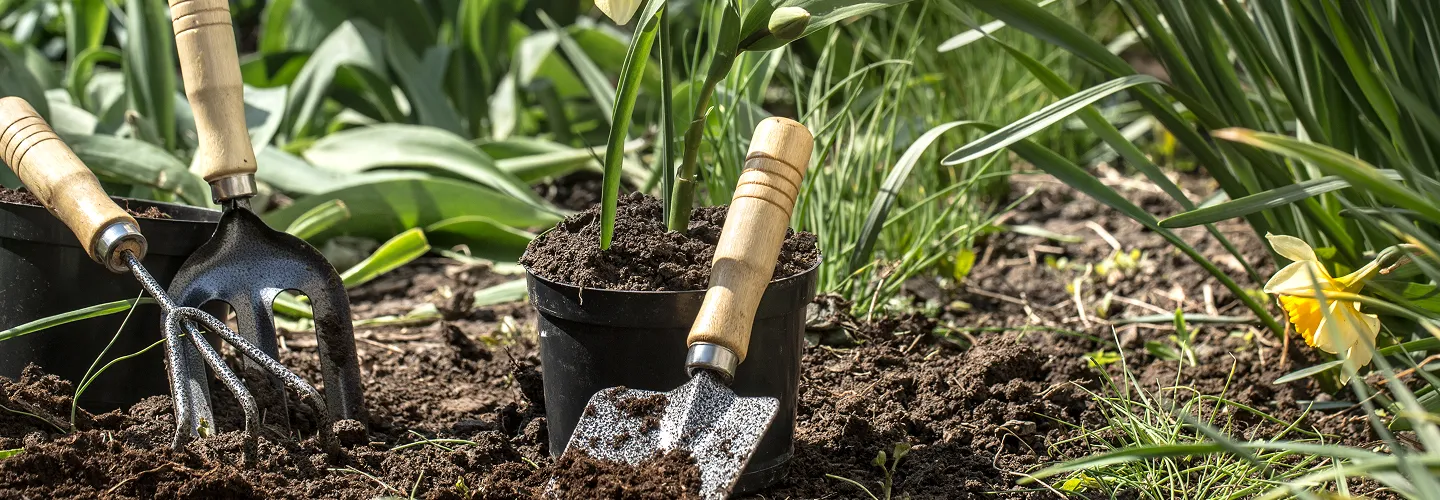
Hampton Weeding Services
Choose our professional weeding services for a healthier, more beautiful garden—our experienced team removes unwanted growth efficiently, ensuring your plants thrive and your outdoor space looks its best all season long.
Get a Free QuoteOur Hampton Landscaping & Yard Care Services
When to Schedule Weeding in Hampton, Georgia – Seasonal Guide
In Hampton, Georgia, the best times to schedule weeding are closely tied to our region’s unique climate and landscape features. Early spring and late fall are generally optimal, as these periods align with the local frost dates and the natural growth cycles of both weeds and desirable plants. Neighborhoods near Crystal Lake Golf & Country Club or along Woolsey Road often experience microclimates—such as increased shade or moisture—that can affect weed growth patterns. The area’s clay-heavy soils and periods of high humidity, especially in summer, can also influence how and when weeds take hold.
It’s important to consider Hampton’s risk of late spring frosts and occasional summer droughts when planning your weeding schedule. Properties with dense tree coverage, like those near North Mt. Carmel Park, may require more frequent attention due to increased shade and leaf litter. For more information on local environmental guidelines, you can visit the Sudbury municipal site. Below are some key local factors to keep in mind when planning your weeding services:
Local Factors to Consider for Weeding in Hampton
- Tree density and shade coverage, especially in established neighborhoods
- Soil type (clay vs. sandy) and drainage characteristics
- Seasonal precipitation patterns and drought risk
- Proximity to landmarks like Crystal Lake or North Mt. Carmel Park
- Municipal restrictions or community association guidelines
- Terrain slope and accessibility for maintenance crews
Benefits of Weeding in Hampton
Enhanced Curb Appeal
Healthier Plant Growth
Reduced Pest Infestation
Improved Soil Quality
Professional and Reliable Service
Time and Effort Savings
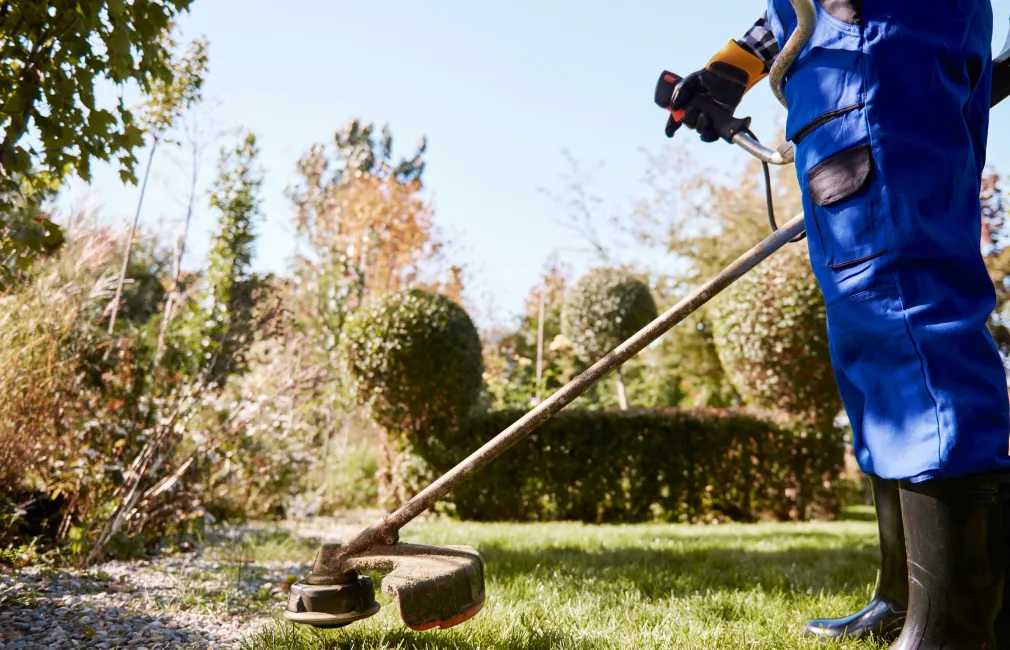
Hampton Weeding Types

Hand Weeding
-
Mulch Application
-
Pre-Emergent Weed Control
-
Post-Emergent Weed Spraying
-
Landscape Bed Maintenance
-
Gravel and Pathway Weeding
-
Organic Weed Removal
Our Weeding Process
Site Evaluation
Weed Identification
Targeted Removal
Soil Treatment
Final Inspection
Why Choose Hampton Landscape Services
-
Hampton Homeowners Trust Us
-
Expert Lawn Maintenance
-
Reliable Seasonal Cleanup
-
Competitive Pricing
-
Professional Team
-
Satisfaction Guarantee
-
Personalized Service
Hampton's Red Clay Soils and Weed Pressure in Planting Beds
Hampton, Georgia sits within the Piedmont region and falls under USDA Hardiness Zone 7b–8a, with predominant soils classified as Cecil and Appling series — dense, acidic red clay loams with limited drainage capacity. These conditions create persistent weed pressure in planting beds and lawn borders, as compacted clay retains surface moisture long enough to support aggressive warm-season weeds including crabgrass (Digitaria spp.), nutsedge (Cyperus esculentus), and broadleaf plantain (Plantago major). Key site-specific factors affecting weeding in Hampton include:
- Clay compaction slows root penetration, making hand-pulling less effective without prior soil loosening
- Acidic pH (typically 5.5–6.0) favors certain weed species over desirable turf and ornamentals
- Poor drainage in low-lying areas promotes sedge and moisture-tolerant weed establishment
Residents can reference USDA Web Soil Survey to identify specific soil series on their property and consult UGA Cooperative Extension for soil amendment guidance prior to initiating a weeding program.
Optimal Weeding Timing for Hampton's Long Warm-Season Growth Window
Hampton's climate supports an extended warm-season growth period running from approximately late March through early October, with peak weed germination occurring in two primary windows: spring (March–May) and late summer (August–September). According to UGA Cooperative Extension guidance, pre-emergent weed control is most effective when soil temperatures reach 50–55°F at a 4-inch depth — typically mid-February to early March in Henry County. Practical timing benchmarks for Hampton property owners include:
- Pre-emergent window: Mid-February through mid-March for crabgrass and annual grassy weeds
- Post-emergent hand-weeding: Most effective April through June before seed set
- Second flush management: August through September for late-season broadleaf and sedge pressure
- Dormant-season bed clearing: November through February for perennial weed root removal
The National Weather Service Peachtree City forecast office provides local soil temperature and rainfall data useful for timing weeding interventions accurately throughout the growing season.
Hampton Stormwater Compliance and Herbicide Use Near Drainage Features
Hampton's stormwater infrastructure includes roadside drainage ditches, detention ponds, and drainage corridors that connect to tributaries within the Flint River watershed. When weeding involves herbicide applications near these features, property owners and service providers must observe buffer requirements and application restrictions consistent with the Georgia EPD Watershed Protection Branch and the Clean Water Act. Hampton's Stormwater Management program oversees local drainage maintenance and erosion control compliance. Key precautions include:
- Avoid herbicide application within 10–25 feet of open drainage channels, ponds, or detention features (verify current buffer requirements with the city)
- Do not allow weed debris or herbicide-treated clippings to enter storm drains or roadside ditches
- Use targeted spot-treatment methods rather than broadcast application near drainage corridors
Hampton Stormwater Management
19 East Main Street, Hampton, GA 30228
Official Website: Hampton Stormwater Management
Hampton City Ordinances Governing Nuisance Vegetation and Property Maintenance
Hampton's city ordinances establish property maintenance standards that directly affect weeding obligations for residential and commercial property owners. Uncontrolled weed growth — particularly vegetation exceeding established height thresholds — may constitute a code violation subject to enforcement action. Property owners should review current requirements through the Hampton Ordinances portal. Relevant compliance considerations include:
- Grass and weed height limits apply to improved lots within city limits; verify current thresholds with the city, as ordinance specifics are subject to amendment
- Frontage areas, right-of-way edges, and vacant lots are subject to maintenance requirements
- Repeat violations may result in city-initiated abatement and cost recovery against the property owner
- Invasive species such as kudzu (Pueraria montana) and Japanese honeysuckle (Lonicera japonica) — documented throughout Henry County — may require more aggressive management to avoid ordinance violations
Hampton Ordinances
19 East Main Street, Hampton, GA 30228
Official Website: Hampton Ordinances
Georgia Pesticide Licensing Standards for Professional Weeding Services
When weeding services in Hampton involve the application of herbicides — whether pre-emergent granular products or post-emergent liquid treatments — Georgia law requires that commercial applicators hold appropriate licensure under the Georgia Pesticide Use and Application Act of 1976. The Georgia Department of Agriculture - Licensing, Certification and Employee Registration administers pesticide applicator certification for commercial landscape and lawn care operations. Property owners hiring weeding services should verify:
- The service provider holds a valid Georgia pesticide applicator license for the applicable category (e.g., ornamental and turf)
- All herbicide products used are registered for the target site and application method
- Application records are maintained as required under state law
- Label directions are followed precisely, including re-entry intervals and personal protective equipment (PPE) requirements
Unlicensed commercial herbicide application is a violation of state law and may expose property owners to liability.
Georgia Department of Agriculture – Pesticide Division
19 Martin Luther King Jr. Drive SW, Atlanta, GA 30334
Phone: (404) 656-4958
Official Website: Georgia Department of Agriculture - Agricultural Pest Control
What Neighborhoods Do We Serve Throughout Hampton, GA?
Weeding services in Hampton address a range of site conditions across the city's residential and mixed-use areas. The following neighborhoods and districts reflect the diversity of lot types, soil conditions, and maintenance environments found within Hampton's city limits:
- Hampton Historic Downtown District: Older lots with compacted urban soils, established ornamental beds, and frontage areas subject to city ordinance maintenance standards.
- Traditions of Braselton Road Corridor / New Subdivisions: Newer developments with disturbed fill soils and aggressive early weed colonization common in recently graded lots.
- Hampton Oaks Area: Established residential lots with mature tree canopy, shade-tolerant weed pressure, and leaf litter accumulation that promotes weed germination in beds.
- Springdale Road Neighborhoods: Mixed residential areas with roadside drainage ditches requiring careful herbicide buffer management during weeding operations.
- Industrial Boulevard / Commercial Frontages: Commercial properties with large impervious areas and perimeter beds subject to nuisance vegetation ordinance compliance.
- Rural Residential Fringe (South Hampton): Larger lots with wooded edges, invasive species pressure from kudzu and privet, and limited municipal collection access for weed debris disposal.