
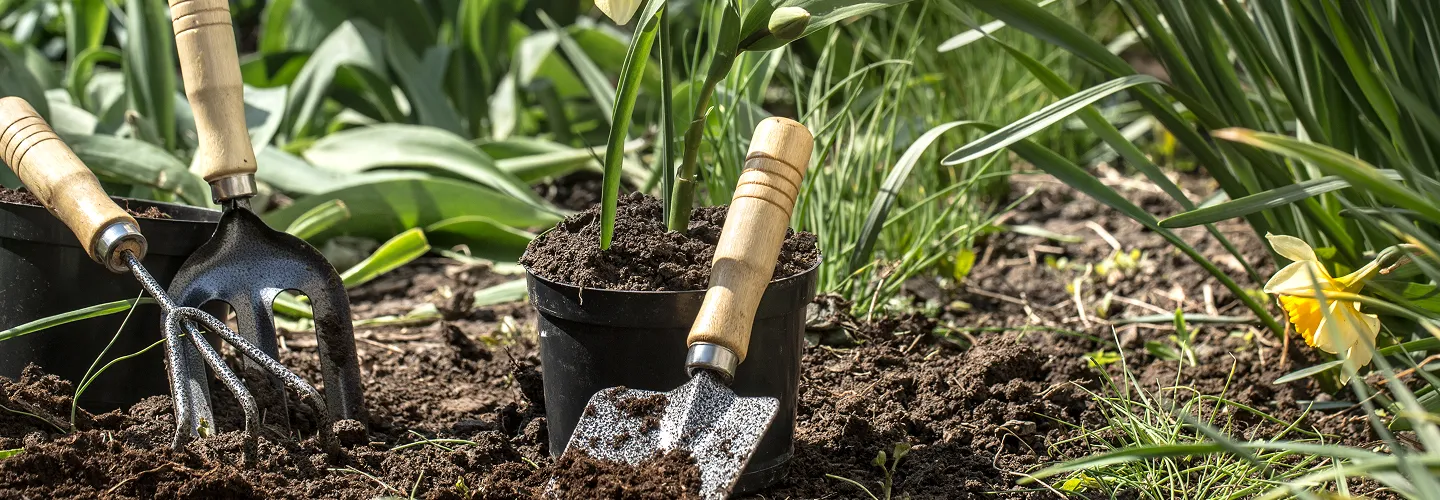
Hampton Lawn Grubs Control Services
Choose our Lawn Grubs Control for proven, eco-friendly solutions that safeguard your lawn’s health and restore its lush, green appearance—trusted by Hampton homeowners for reliable results and expert care.
Get a Free QuoteOur Hampton Landscaping & Yard Care Services
When to Schedule Lawn Grubs Control in Hampton, Georgia – Seasonal Guide
In Hampton, Georgia, the best time to schedule lawn grubs control is typically from late spring through early fall, when soil temperatures rise and grubs become most active. The region’s warm, humid summers and mild winters—shaped by local weather patterns—mean that grubs often emerge after the last frost, which usually occurs in early April. Neighborhoods near Crystal Lake Golf & Country Club or along Woolsey Road may notice increased grub activity due to the combination of shaded lawns and well-irrigated soils.
Local environmental factors such as clay-heavy soils, periods of drought, and dense shade from mature oaks and pines can all influence grub populations. Homeowners should also consider municipal watering restrictions and the unique microclimates found in areas like Lovejoy and Panhandle Road. For more information on local environmental guidelines, visit the Sudbury town website.
Local Factors to Consider for Lawn Grubs Control in Hampton
- Tree density and shade coverage, especially in established neighborhoods
- Soil type (clay vs. sandy) and drainage
- Precipitation patterns and drought risk
- Proximity to water features or irrigated landscapes
- Municipal restrictions on pesticide or water use
- Recent weather events, such as late frosts or heavy rains
- Terrain and lawn slope affecting water retention
Benefits of Lawn Grubs Control in Hampton
Effective Grub Elimination
Healthier, Greener Lawns
Eco-Friendly Treatment Options
Experienced Landscaping Professionals
Customized Lawn Care Solutions
Long-Term Pest Prevention
Hampton Lawn Grubs Control Types

Preventative Grub Treatments
-
Curative Grub Treatments
-
Organic Grub Control Solutions
-
Biological Grub Management
-
Chemical Insecticide Applications
-
Seasonal Lawn Monitoring
-
Integrated Pest Management
Our Lawn Grubs Control Process
Inspection and Identification
Customized Treatment Plan
Targeted Application
Monitoring and Follow-Up
Why Choose Hampton Landscape Services
-
Hampton Homeowners Trust Us
-
Expert Lawn Maintenance
-
Reliable Seasonal Cleanup
-
Competitive Pricing
-
Professional Team
-
Satisfaction Guarantee
-
Personalized Service
Identifying White Grub Pressure in Hampton's Piedmont Red Clay Soils
Hampton, Georgia sits within the Piedmont physiographic region, where soils are predominantly Ultisols — specifically Cecil and Appling series red clay loams with moderate to poor drainage in compacted areas. These clay-heavy soils retain moisture unevenly, creating conditions that can concentrate white grub populations (primarily Japanese beetle larvae, Popillia japonica, and masked chafer species) in localized wet pockets. Hampton falls within USDA Hardiness Zone 7b–8a, supporting warm-season turf grasses such as bermudagrass and zoysiagrass that are highly susceptible to root-zone grub feeding. Property owners should watch for the following indicators:
- Irregular brown patches in turf that do not respond to irrigation
- Spongy or easily lifted turf sections, indicating severed root zones
- Increased bird, mole, or armadillo activity concentrated in specific lawn areas
- Grub counts exceeding 5–10 per square foot at a 3-inch soil depth
The USDA Web Soil Survey provides parcel-level soil data useful for assessing drainage and infiltration characteristics that influence grub habitat on individual Hampton properties.
Optimal Grub Treatment Timing for Hampton's Warm-Season Turf Calendar
Timing is the most critical factor in effective grub control. In Hampton, adult beetles typically emerge and lay eggs in late June through July, with larvae hatching and feeding actively in the root zone from late July through September. Soil temperatures at a 2-inch depth reaching 60–65°F signal the window for preventive treatment. UGA Cooperative Extension recommends the following seasonal framework for Georgia Piedmont lawns:
- Preventive treatments (imidacloprid, chlorantraniliprole): Apply late May through early July, before egg hatch
- Curative treatments (trichlorfon, carbaryl): Apply July through September when larvae are small and near the soil surface
- Post-treatment irrigation: Apply 0.5 inches of water immediately after granular or liquid applications to move active ingredients into the root zone
- Avoid late-season curative applications after October, when larvae have migrated deeper than 4–6 inches and treatment efficacy drops significantly
The National Weather Service Peachtree City forecast office provides local soil temperature trend data useful for calibrating application timing in Henry County.
Georgia Pesticide Licensing Rules for Professional Grub Control in Hampton
Any professional applying pesticides for grub control on Hampton residential or commercial properties must hold a valid license issued under the Georgia Pesticide Use and Application Act of 1976. The Georgia Department of Agriculture - Licensing, Certification and Employee Registration administers this program. Applicators treating ornamental and turf sites must hold a Category 24 (Ornamental and Turf) certification. Key compliance requirements include:
- Maintaining a current pesticide applicator license on-site or accessible during all applications
- Using only EPA-registered products applied strictly per label directions — the label is the law
- Keeping application records for a minimum of two years, including product name, EPA registration number, application rate, and target site
- Providing written notification to property owners prior to application where required by contract or local ordinance
Property owners hiring contractors should verify license status through the Georgia Department of Agriculture - Agricultural Pest Control registry before authorizing any pesticide application.
Georgia Department of Agriculture
19 Martin Luther King Jr. Drive SW, Atlanta, GA 30334
Phone: (404) 656-3600
Official Website: Georgia Department of Agriculture
Protecting Hampton Stormwater Infrastructure During Grub Control Applications
Hampton's stormwater management program, administered through the Hampton Stormwater Management office, oversees drainage infrastructure that connects residential lawns to local waterways including tributaries of Walnut Creek and other Henry County drainage corridors. Pesticide runoff from grub control treatments poses a direct risk to these systems and to downstream water quality regulated under the Clean Water Act. Property owners and applicators must observe the following precautions:
- Do not apply granular or liquid grub treatments within 10 feet of storm drains, drainage ditches, or detention pond edges
- Irrigate treated areas with no more than 0.5 inches of water post-application to prevent surface runoff
- Avoid applications immediately before forecast rainfall events exceeding 0.25 inches
- Do not blow or sweep granular product onto impervious surfaces such as driveways, sidewalks, or curbs where it can wash directly into storm inlets
The Georgia EPD Watershed Protection Branch establishes water quality standards applicable to pesticide discharges in Georgia. Hampton residents with properties adjacent to drainage easements or detention features should review current Hampton Ordinances for any property maintenance provisions affecting chemical applications near drainage infrastructure.
Hampton Stormwater Management
100 Municipal Court Drive, Hampton, GA 30228
Phone: (770) 946-4306
Official Website: Hampton Stormwater Management
How Hampton's Newer Subdivisions and Compacted Fill Soils Affect Grub Pressure
Hampton has experienced significant residential development growth, particularly in subdivisions established after 2000 where construction grading has introduced compacted fill soils with disrupted organic matter profiles. These conditions differ substantially from older, established lots with deeper topsoil and mature turf root systems. Compacted fill soils in newer Hampton subdivisions tend to:
- Retain surface moisture unevenly, creating isolated wet zones attractive to egg-laying beetles
- Limit root depth of bermudagrass and zoysiagrass, making turf more vulnerable to grub feeding damage at lower population thresholds
- Reduce beneficial soil microbial activity that naturally suppresses some larval populations
- Complicate uniform pesticide distribution due to variable infiltration rates
In contrast, older established neighborhoods with mature turf and deeper organic horizons may tolerate moderate grub populations without visible turf loss. Applicators should adjust treatment thresholds and irrigation protocols based on soil profile conditions. Soil data for specific Hampton parcels is available through the USDA Web Soil Survey, and the USDA Plant Hardiness Zone Map confirms Hampton's Zone 7b–8a classification relevant to turf species selection and seasonal grub activity windows.
What Neighborhoods Do We Serve Throughout Hampton, GA?
- Hampton Historic Downtown Area: Older residential lots with established turf and deeper organic soil profiles; grub pressure may be lower per square foot but monitoring is still recommended given mature beetle populations in adjacent wooded areas.
- Eagles Landing: A large master-planned community with HOA-maintained common areas and a mix of bermudagrass and zoysiagrass lawns; consistent irrigation schedules in this area can elevate beetle egg-laying activity during summer months.
- Dutchtown Road Corridor: Newer residential subdivisions along this growth corridor feature compacted fill soils and recently established warm-season turf, increasing vulnerability to grub damage at lower population thresholds.
- Walnut Creek Vicinity: Properties near Walnut Creek drainage corridors require careful pesticide buffer management to protect stormwater conveyance systems and downstream water quality.
- Flippen Road Neighborhoods: Mixed-age residential development with variable soil conditions; wooded lot edges adjacent to these neighborhoods support higher adult beetle populations during summer emergence periods.
- Henry County Parkway Subdivisions: Newer planned developments with irrigated bermudagrass lawns and limited topsoil depth; preventive grub treatments timed to late May through early July are particularly important in these areas.