
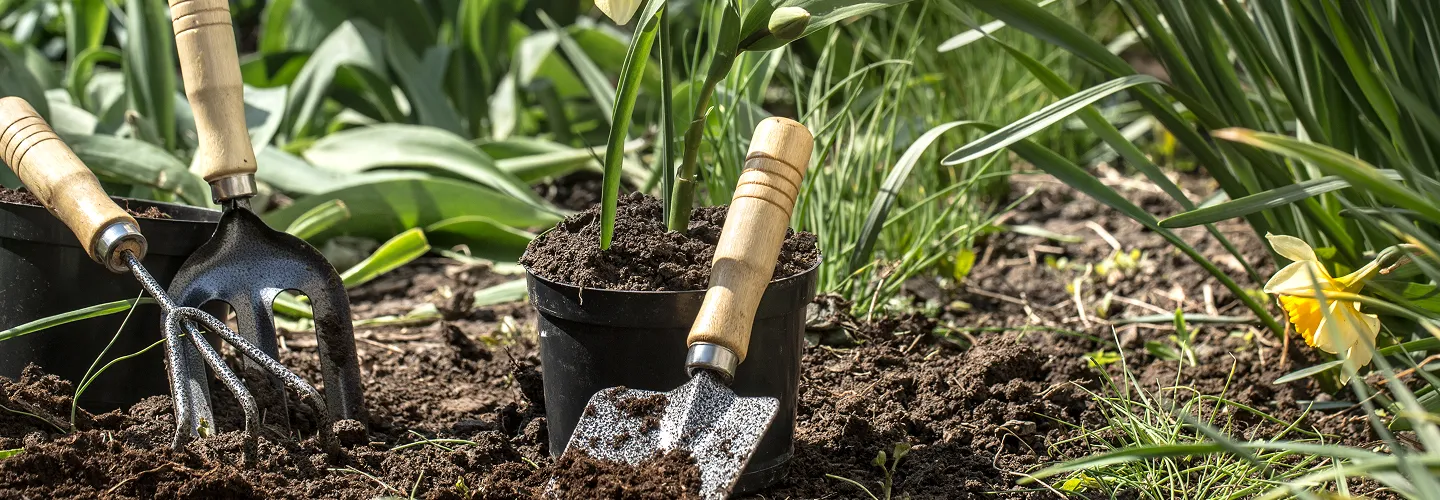
Hampton Flower Planting Services
Choose our flower planting services for vibrant, healthy blooms that enhance your home's beauty and curb appeal—our experienced team ensures every garden thrives with personalized care and attention.
Get a Free QuoteOur Hampton Landscaping & Yard Care Services
When to Schedule Flower Planting in Hampton, Georgia – Seasonal Guide
In Hampton, Georgia, timing your flower planting is crucial for vibrant, long-lasting blooms. The region’s climate features mild winters and hot, humid summers, making early spring and late fall the most favorable periods for planting. Local neighborhoods like Crystal Lake and Panhandle Valley often experience their last frost in late March, so planting after this date helps ensure young plants aren’t damaged by unexpected cold snaps. Soil in Hampton tends to be a mix of clay and loam, which retains moisture but can become compacted—proper preparation is key for healthy root development.
Environmental factors such as summer drought risk, variable humidity, and the shade provided by mature trees in areas like Bear Creek Park all play a role in determining the best planting schedule. It’s also important to consider municipal guidelines and local watering restrictions, which can impact when and how you establish new flower beds. For more detailed local climate data and gardening resources, visit the Sudbury town website.
Local Factors to Consider for Flower Planting in Hampton
- Proximity to large shade trees or dense woodland areas
- Soil composition and drainage, especially in older neighborhoods
- Average precipitation and risk of summer drought
- Frost dates and temperature fluctuations in spring and fall
- Municipal watering restrictions or landscaping ordinances
- Terrain slope and potential for water runoff
Benefits of Flower Planting in Hampton
Expert Local Knowledge
Customized Landscape Designs
Seasonal Plant Selection
Enhanced Curb Appeal
Eco-Friendly Practices
Reliable Maintenance Services
Hampton Flower Planting Types

Perennial Flower Beds
-
Annual Flower Displays
-
Seasonal Bulb Planting
-
Native Wildflower Gardens
-
Container Flower Arrangements
-
Pollinator-Friendly Plantings
-
Shade Garden Flowers
Our Flower Planting Process
Site Evaluation
Soil Preparation
Plant Selection
Careful Planting
Watering and Mulching
Why Choose Hampton Landscape Services
-
Hampton Homeowners Trust Us
-
Expert Lawn Maintenance
-
Reliable Seasonal Cleanup
-
Competitive Pricing
-
Professional Team
-
Satisfaction Guarantee
-
Personalized Service
Optimal Flower Planting Windows for Hampton's Piedmont Growing Season
Hampton, Georgia, situated in Henry County within the Metro Atlanta Piedmont region, falls within USDA Hardiness Zone 7b, supporting a long warm-season growing window that extends from approximately mid-March through early November. Soil temperatures in Hampton typically reach the 60°F threshold needed for reliable annual establishment by late March, while perennial planting is most successful when conducted in early spring (March–April) or fall (September–October) to reduce transplant stress. Key timing considerations include:
- Spring annuals (petunias, marigolds, zinnias, impatiens): transplant after the average last frost date of approximately March 15–25
- Summer perennials (coneflower, black-eyed Susan, daylily): establish best when planted April through May
- Fall color plantings (pansies, ornamental kale): install September through October for winter interest
- Avoid planting during Hampton's peak heat window of late June through August when daytime temperatures regularly exceed 90°F
Guidance from UGA Cooperative Extension provides regionally calibrated planting calendars for Piedmont Georgia that property owners should consult when scheduling installation.
Hampton's Cecil and Appling Soil Series and Bed Preparation for Flower Planting
The predominant soils within Hampton and surrounding Henry County are classified primarily as Cecil sandy clay loam and Appling loamy sand, both Ultisols common to Georgia's Piedmont region. According to the USDA Web Soil Survey, these soils tend to be moderately acidic, with pH values typically ranging from 5.0 to 6.0, and exhibit moderate to poor drainage in compacted urban settings. Effective bed preparation for flower planting in Hampton should address:
- Soil amendment: incorporate 3–4 inches of compost to improve structure and water retention in clay-heavy areas
- pH adjustment: apply lime at rates recommended by a soil test (available through UGA Extension) to raise pH toward the 6.0–6.5 range preferred by most flowering annuals and perennials
- Drainage correction: raise bed grades or install French drains in low-lying areas prone to standing water
- Compaction relief: till to a minimum depth of 8–10 inches before planting in previously compacted or fill-soil areas
Soil testing through UGA Cooperative Extension is strongly recommended prior to any large-scale flower bed installation.
Protecting Hampton Stormwater Infrastructure During Flower Bed Installation
Flower planting activities that involve soil disturbance, fertilizer application, or mulch placement near drainage features require awareness of Hampton's stormwater management requirements. The city's stormwater program, administered through the Hampton Stormwater Management office, oversees drainage maintenance and erosion control across the municipality. Property owners and contractors should observe the following precautions:
- Avoid applying granular or liquid fertilizers within 10 feet of storm drains, curb inlets, or drainage ditches
- Install silt barriers or erosion control fabric on slopes greater than 3:1 during bed construction
- Do not allow excess mulch, soil, or plant debris to enter roadside swales or storm drain inlets
- Limit soil disturbance during heavy rainfall periods to prevent sediment runoff into local drainage corridors
Hampton's stormwater program aligns with Clean Water Act requirements administered regionally through EPA Region 4. Residents near Towaliga River tributaries or local detention ponds should exercise additional caution to prevent nutrient-laden runoff from reaching these water features.
Hampton Stormwater Management
1 Firehouse Drive, Hampton, GA 30228
Official Website: Hampton Stormwater Management
Georgia Fertilizer Standards Applicable to Hampton Flower Planting Projects
Fertilizer selection and application rates for flower beds in Hampton are subject to the Georgia Fertilizer Act of 1997, which governs labeling, registration, and nutrient content standards for all commercial fertilizer products sold and applied in the state. The Georgia Department of Agriculture - Fertilizer program enforces these standards and provides guidance on compliant product use. For flower planting in Hampton's Piedmont soils, practical fertilizer guidance includes:
- Use slow-release balanced fertilizers (e.g., 10-10-10 or 12-6-6) at label-specified rates to avoid nitrogen runoff
- Apply starter fertilizer at planting time, then transition to a maintenance schedule of every 6–8 weeks during the growing season
- Avoid fertilizer applications immediately before forecasted rainfall events exceeding 0.5 inches
- Do not apply phosphorus-heavy fertilizers in areas adjacent to stormwater features without a confirmed soil phosphorus deficiency from a soil test
Property managers overseeing large-scale commercial flower installations should verify that any contracted applicators comply with Georgia Department of Agriculture registration requirements.
Hampton Zoning and Property Maintenance Standards Affecting Flower Bed Placement
Flower bed placement and landscape modifications in Hampton may be subject to review under the city's zoning and property maintenance ordinances. The Hampton Planning & Zoning office administers land use and development standards that can affect bed placement near rights-of-way, easements, and property boundaries. Relevant considerations include:
- Flower beds installed within public rights-of-way or utility easements may require prior approval from the city
- Plantings that obstruct sightlines at intersections or driveways may conflict with local visibility standards; maintain clear sight triangles as required by city code
- Properties within Hampton's downtown or Main Street corridor should consult the Hampton Main Street & Economic Development office regarding any landscape improvements that affect the public streetscape
- Verify setback requirements for raised bed structures or retaining walls exceeding 12 inches in height with Hampton Building Inspections
City ordinances are accessible through the Hampton Ordinances portal for property owners seeking to confirm current landscape and property maintenance requirements.
Hampton Planning & Zoning
1 Firehouse Drive, Hampton, GA 30228
Official Website: Hampton Planning & Zoning
Hampton Building Inspections
1 Firehouse Drive, Hampton, GA 30228
Official Website: Hampton Building Inspections
What Neighborhoods Do We Serve Throughout Hampton, GA?
- Downtown Hampton: Properties along the Main Street corridor feature older, compacted soils and established streetscape plantings; bed preparation often requires deeper amendment to address urban fill and limited drainage.
- Hampton Oaks: A residential subdivision with moderate tree canopy and mixed clay-loam soils; shade-tolerant flowering species such as impatiens and astilbe perform well in partially shaded beds.
- Dutchtown Road Corridor: Newer residential development along this corridor features fill soils with variable drainage; raised bed construction and amended planting media are frequently necessary.
- Eagles Landing Area: Larger residential lots with established landscaping and HOA standards; flower bed installations should align with community aesthetic guidelines and setback requirements.
- Flippen Road Neighborhoods: Semi-rural residential properties with wooded edges and natural drainage swales; native flowering species adapted to Piedmont conditions are well-suited to these lots.
- Henry County Industrial Corridor Fringe: Properties near commercial and light industrial zones may have disturbed or compacted soils requiring significant amendment before flower planting can be successfully established.